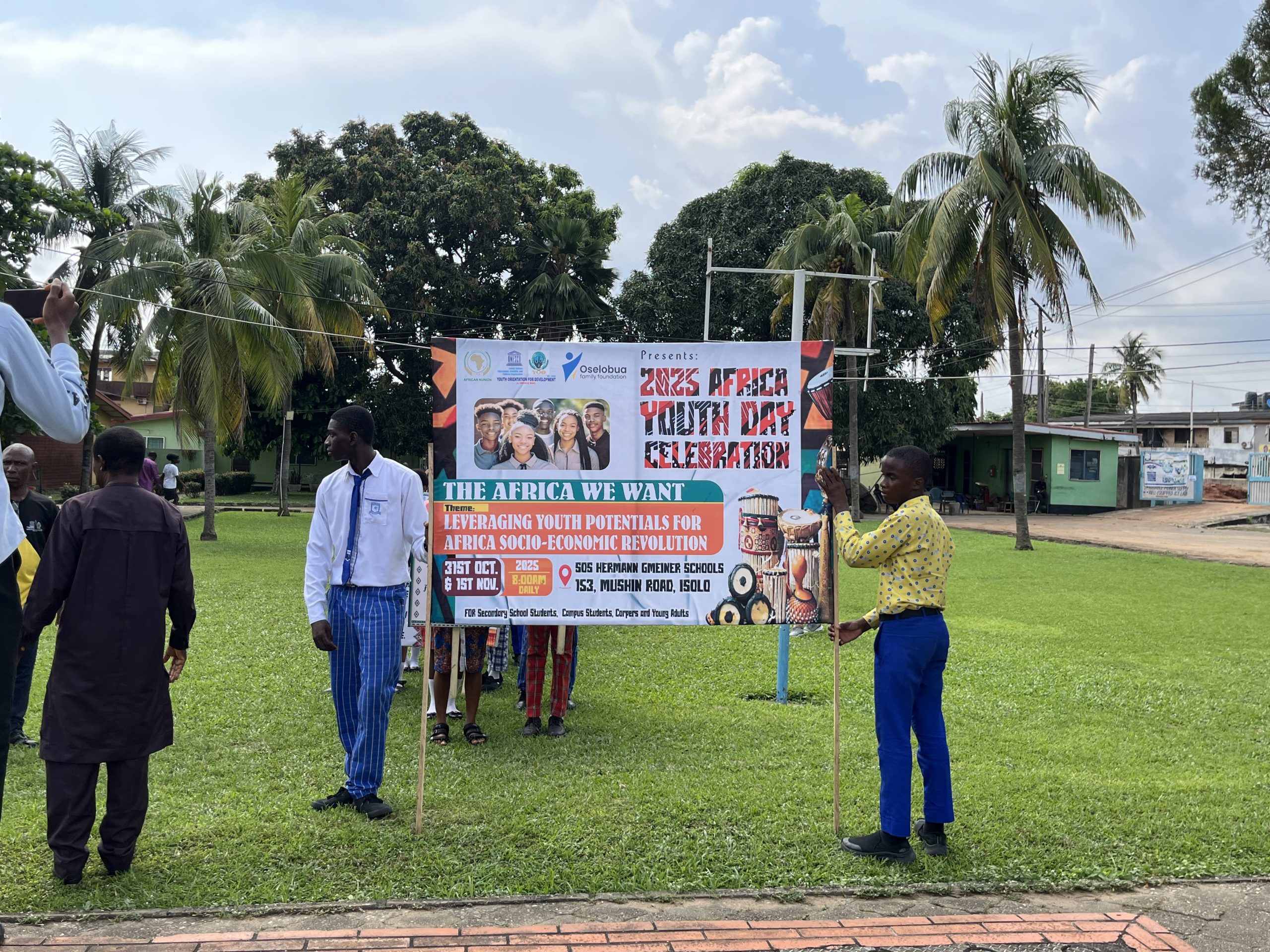
There is something that happens when you put over a hundred young people in a room and give them permission to think seriously about their future. The energy shifts. The conversations get deeper. And somewhere in the middle of it all, you start to see something that statistics about Nigerian youth rarely capture, the hunger, the clarity, and the readiness that is already there, waiting for the right environment to draw it out.
That is what happened on the 31st of October and the 1st of November 2025, when the Oselobua Family Foundation hosted the 2025 Africa Youth Day Celebration in Lagos. Under the theme “The Africa We Want” and anchored around the subject of leveraging youth potential for Africa’s socio-economic revolution, the two-day programme brought together students from four secondary schools, youth leaders, education professionals, policymakers, and development partners for a focused and intentional conversation about what it will take to build the Africa that young people deserve.
Day One: Setting the Tone
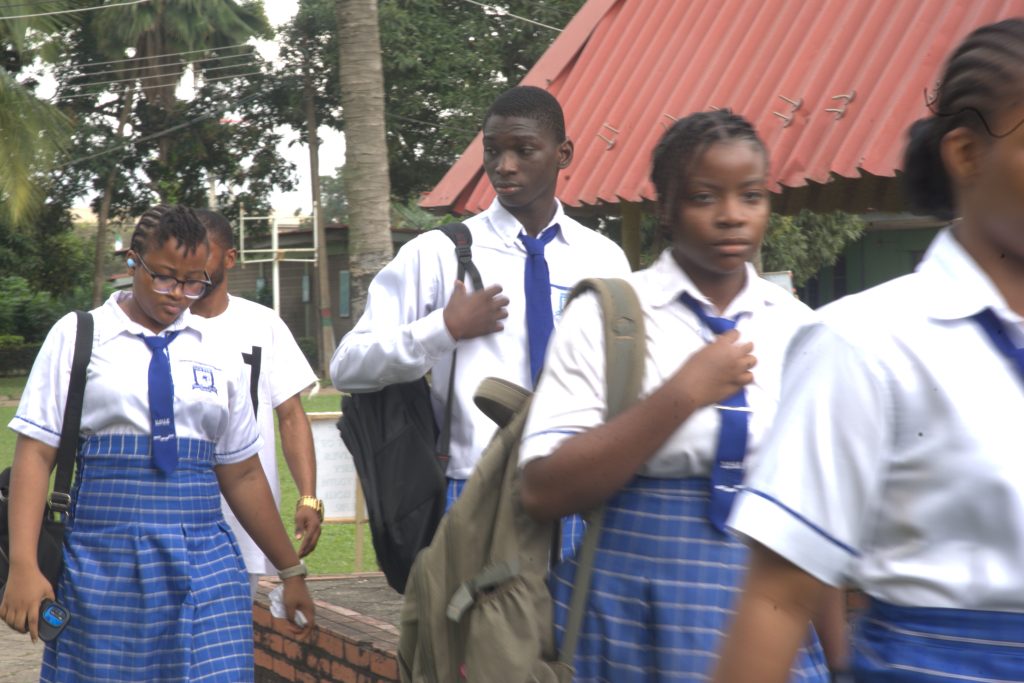
The first day opened with a sense of anticipation that was hard to miss. It began with welcome remarks from Mr Daniel Ihansekhein , Director of the Oselobua Family Foundation, who grounded the day in the Foundation’s core commitments: youth empowerment, access to education, and the kind of value-driven leadership that communities across Africa urgently need.
Words of wisdom from Pa Solomon Odemona, the Father of the Day, set a reflective tone early, drawing attention to the role of moral responsibility and mentorship in shaping the next generation. The Lagos State Honourable Commissioner for Youth Development spoke, reaffirming government commitment to youth inclusion and skills development.
The keynote session of the day was delivered by Mr. Ayodele Aroge, Director at the National Board for Technical Education, and it landed with impact. His address on revolutionising the national youth empowerment landscape through the Federal Government’s TVET agenda reframed the conversation around technical and vocational education, not as a consolation prize for those who could not access university, but as a legitimate, powerful, and urgently needed pathway to employability and innovation for Nigerian youth.
The Youth Dialogue with Professionals that followed, moderated by Dr. Mary Ikeaba of the University of Lagos, was one of the most energetic sessions of the day. Dr. Tunde Hassan spoke candidly about the failure of African leadership and the role young people must play in filling that gap. Professor Kazeem, Dean of the Faculty of Medicine at Olabisi Onabanjo University, challenged the growing narrative that education is a scam, making a case for why knowledge, pursued with intention, still changes lives. Mr. Joshua Falade of Featstone Academy spoke on self-employability and the imperative of youth innovation and creativity in a rapidly changing economy.
Perhaps the most sobering session of the day came from Mr. Victor O. Abraham, a Drug Abuse Prevention Specialist, whose address on prevention over cure brought a necessary gravity to the conversation. Drawing on real-life experiences, he walked participants through the devastating impact of drug and substance abuse on individuals, families, and communities, and made a compelling case for why early awareness and informed decision-making are not optional but essential for young people navigating the pressures of today’s world.
The day closed with a plenary, lunch, and team-building activities that gave participants space to process, connect, and continue the conversations that had started in the
formal sessions.
Day Two: From Conversation to Commitment
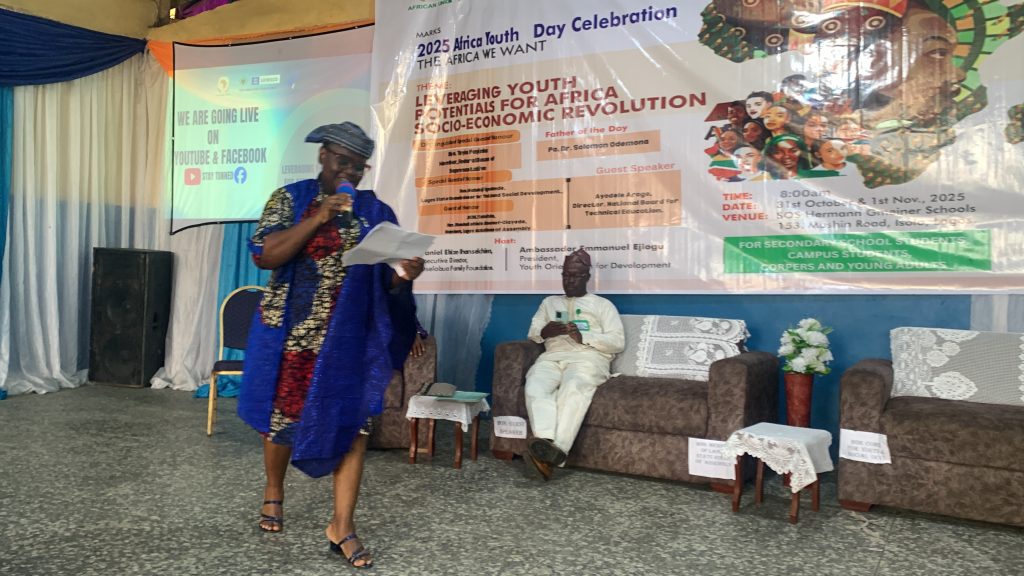
The second day, anchored by Oluwatobi Yusuf , took a more interactive and reflective direction. After words of wisdom from Mr. Godfrey Acho on personal responsibility and youth purpose, DANIEL IHANSEKHIEN walked participants through an overview of the Sustainable Development Goals, helping them understand how global development frameworks are not distant abstractions but direct invitations for local action. Group work sessions followed, where participants worked to align their own ideas and aspirations with relevant SDGs, a practical exercise that brought the global conversation down to the personal level.
The second Youth Dialogue with Professionals, led by Mrs. Basirat Adeyemi, Vice Principal of Ajumoni Secondary School, covered fresh and forward-looking ground. Mr. Emmanuel Ejiogu, Director at UNESCO YOD , made a strong case for internship and volunteerism as genuine global employment catalysts, reframing service not as charity but as strategy. Idowu David ALADEMOMI explored the growing professional landscape of sports and entertainment, opening up new narratives around what a successful career can look like for young Africans. Mr. Abiodun Egberungbe spoke on youth selfless service and social responsibility, challenging participants to think beyond personal success and toward community transformation.
The programme closed with lunch and departure, but the conversations did not end there. In the way participants exchanged contacts, lingered in discussion, and carried the energy of the two days with them as they left, it was clear that something had shifted.
What It All Meant
The 2025 Africa Youth Day Celebration was not designed to be an event that people attended and forgot. It was designed to be the kind of experience that stays with a young person, that gives them language for what they already feel, direction for what they are already reaching for, and the confidence that comes from being in a room full of people who believe in what they are capable of.
For Oselobua Family Foundation, this programme was a direct expression of our mission. We do not believe that Africa’s youth development challenge will be solved by conversations alone. But we do believe that the right conversations, in the right environments, with the right people in the room, can be the beginning of real change. And over those two days in Lagos, we saw that beginning happen more than once.
The Africa we want is not a distant dream. It is being built right now, by young people who are ready, if only we give them the space, the support, and the belief they deserve.